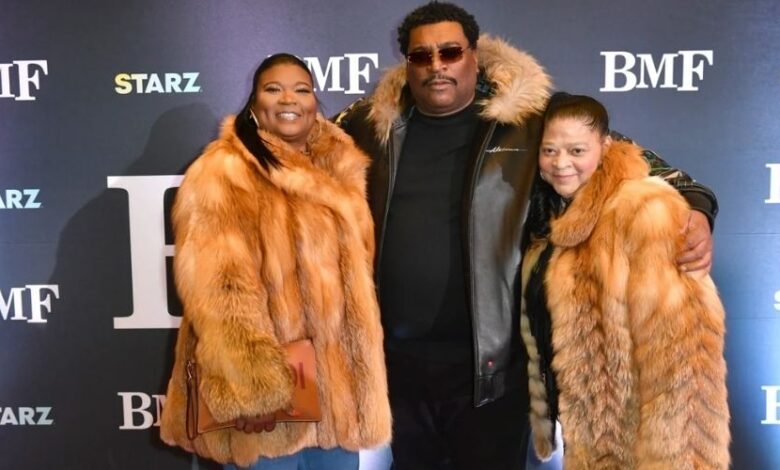
Nicole Flenory, often recognized as the younger sister of Demetrius “Big Meech” Flenory and Terry “Southwest T” Flenory, has emerged as a figure of considerable public curiosity. While her brothers became widely known for founding the Black Mafia Family (BMF), Nicole’s story is different from theirs—quieter, more private, and grounded in family, perseverance, and maintaining dignity amid intense public scrutiny.
Her visibility increased dramatically with the release of the STARZ series BMF, which dramatizes the lives and early experiences of the Flenory family. As fans became familiar with her portrayal in the series, many sought to understand more about the real Nicole—her upbringing, relationships, influence, and the ways in which she has shaped her own identity apart from the legacy of her brothers.
This article examines Nicole Flenory’s life in depth, tracing her childhood, her relationship with her family, her role in the BMF story, her public appearances, and the careful manner in which she navigates a life surrounded by fame, notoriety, and legacy.
Early Life and Family Background
Childhood in Detroit
Nicole Flenory was born into the Flenory family of Detroit, Michigan—a family rooted in strong Christian values, community involvement, and resilience. She grew up in a household led by her parents, Lucille and Charles Flenory, who were deeply committed to raising their children within the structure of church, education, and discipline.
While Detroit in the late 1970s and 1980s faced economic challenges and rising crime rates, the Flenory household remained focused on fostering purpose, family unity, and faith. Nicole has often been described as being much younger than her brothers, which placed her in a unique position within the family: a witness to both the warmth of the household and the difficult realities that eventually unfolded around her older siblings.
Values and Upbringing
Her mother, Lucille Flenory, is frequently described as a deeply religious, nurturing presence who worked hard to keep her children grounded. Nicole inherited much of her quiet strength and humility from her mother. Her father, Charles, emphasized discipline, moral consistency, and education.
These foundational values help explain why, unlike her brothers, Nicole remained distanced from the world they eventually joined.
Relationship with Her Brothers
Watching the Brothers Rise and Struggle
Being the younger sibling of Meech and Terry placed Nicole in a distinctive and often challenging position. She watched her brothers grow from young boys into ambitious young men. Although their paths led them into a lifestyle that would eventually bring national law enforcement attention, within the family Nicole saw them simply as protective, charismatic older brothers.
The outside world knows Meech and Terry as the leaders of the organization known as BMF, but within the Flenory household they were sons, brothers, and human beings with complex lives. Nicole has spoken publicly about her love for her brothers but has also emphasized that she built her own life—independent of the choices they made.
The Emotional Toll
Growing up while witnessing the trajectory of the brothers’ lives was not easy. Nicole lived through the emotional weight carried by her family as legal troubles mounted and media attention heightened. She experienced the costs that crime brought into their personal lives: the pressures on their parents, the disruptions to daily family life, and the need to navigate public judgment.
Despite this, Nicole remained committed to supporting her family emotionally. She kept a relatively private life, staying out of the public eye and avoiding most media engagement until much later.
Nicole Flenory’s Personal Identity and Life Beyond BMF
Life Outside the Spotlight
Unlike her brothers, Nicole did not seek nor desire a lifestyle of notoriety. She built a life separate from BMF, raising a family of her own and focusing on personal growth and privacy.
Although many people, especially fans of the series, are curious about her personal life—including her children, career, or marriage—Nicole has maintained respectful boundaries, keeping most of her private details out of public circulation. This discretion reflects the values instilled by her parents and her desire to protect her inner circle from unwanted attention.
Strength and Poise Amid Public Curiosity
Nicole’s manner of handling interviews and public appearances demonstrates composure, thoughtfulness, and a deep sense of responsibility. She does not glamorize the past, nor does she condemn her brothers publicly; instead, she offers balanced commentary rooted in honesty and family loyalty.
Her story resonates with many viewers who see her as a symbol of resilience—a woman who stayed grounded despite being part of a family that became the subject of widespread fascination.
Involvement with the BMF Series
Contributing to the Authenticity of the Show
The STARZ series BMF renewed public attention on the Flenory family. Nicole Flenory became involved on the production side, credited as an associate producer. Her participation helped ensure that the family’s story was told with sensitivity and a degree of authenticity.
The character representing Nicole in the series mirrors aspects of her real life but also includes fictionalized elements, typical in dramatized storytelling. Her insight into family dynamics, childhood experiences, and emotional truth added weight to the production and helped shape how the world sees the early Flenory household.
Public Recognition
As the series gained popularity, many viewers sought to understand the real individuals behind the characters. This led to a surge in social media attention for Nicole, who began sharing selective insights from her life while maintaining her boundaries.
Her increased visibility, however, has always been secondary to her primary aim: to ensure her family’s story is told respectfully and accurately.
Nicole’s Role in Preserving the Family’s Legacy
Protecting the Family Narrative
With so much attention placed on her brothers, Nicole plays a vital role in offering a grounded, humanizing perspective. She ensures that the public remembers not only the controversial elements of the Flenory story but also the values, struggles, and emotional realities that shaped the family.
Honoring Her Parents
One recurring theme in Nicole’s public reflections is her deep respect for her parents. She has emphasized how hardworking and principled they were and continues to highlight their efforts to protect and uplift their children. In many ways, Nicole helps correct misconceptions about the family by centering the love, religion, and structure that defined their home.
Public Perception and Cultural Influence
Representation in Media
With Nicole being portrayed in the BMF series, audiences have developed a strong sense of empathy toward her character. Many viewers see her as the “everyday” family member—someone who represents the emotional consequences of a life touched by crime without being involved in it herself.
This representation has elevated Nicole to a position of cultural significance, especially among fans of the show who appreciate her symbolic role as the steadfast, morally grounded sibling.
Growing Public Interest
Interest in Nicole continues to grow, particularly among fans looking for context about the Flenory family’s upbringing and emotional complexities. Her social media presence has become a channel for controlled engagement with the public, allowing her to share aspects of her life while maintaining privacy.
Key Public Milestones of Nicole Flenory
The chart below illustrates a simple timeline of major public milestones in Nicole Flenory’s life, based on publicly known information.
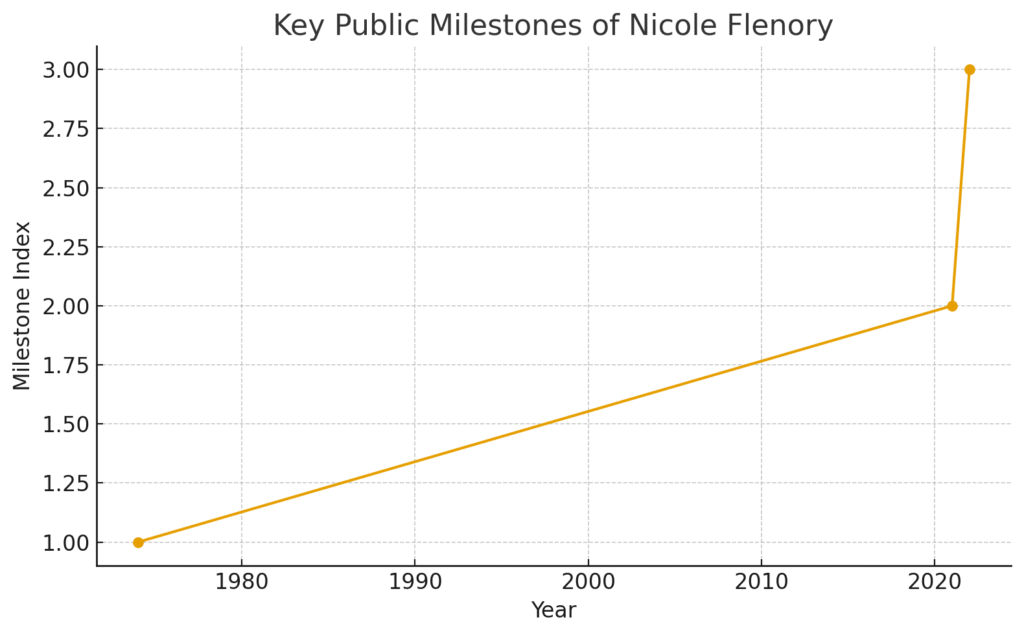
Interpretation:
- 1974–2000s: Low public visibility; Nicole was largely unknown outside Detroit.
- 2021: Sharp increase in public awareness due to the BMF series premiere.
- 2022–Present: Continued rise as the documentary and series expanded audience interest.
Legacy and Impact
Nicole Flenory’s influence lies not in notoriety or public spectacle, but in the quiet strength she has brought to her family narrative. She represents resilience, reflection, and the importance of staying grounded even when surrounded by intense public attention. Her participation in the BMF series ensures that the story is told with a human lens—not merely as a tale of crime, but as a complex family saga shaped by love, struggle, and identity.
Her legacy is one of dignity, compassion, and authenticity.
FAQs About Nicole Flenory
Who is Nicole Flenory?
Nicole Flenory is the younger sister of Demetrius “Big Meech” and Terry “Southwest T” Flenory, the founders of BMF. She is known for her role behind the scenes in the BMF series and for her strong connection to her family.
Was Nicole Flenory involved in BMF activities?
No. Unlike her brothers, Nicole did not participate in BMF operations and lived a separate, more private life focused on her own family and personal growth.
Is the portrayal of Nicole in the BMF TV series accurate?
The portrayal is partially based on real events but also includes creative liberties typical of dramatized television. Nicole contributed insight to the production to help maintain authenticity.
Does Nicole Flenory have a public social media presence?
Yes, she maintains a public presence but shares selectively, focusing on family, legacy, and reflections rather than revealing personal or private details.
What is Nicole Flenory known for today?
She is known for her connection to the Flenory family, her behind-the-scenes work on the BMF series, and her role in helping shape the public narrative surrounding her family’s story.