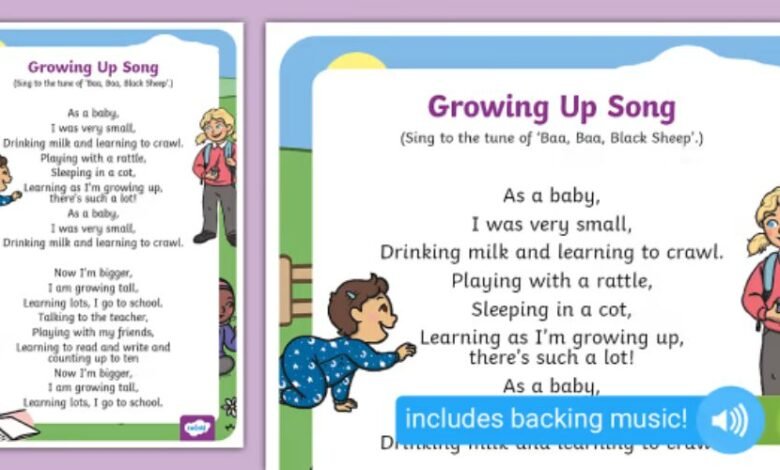
Songs about kids growing up hold a special place in music because they capture something universal—time moving too fast. Whether expressed from the perspective of a parent, a child, or an adult reflecting on their own younger years, these songs often speak to milestones, memories, and the bittersweet reality that childhood doesn’t last forever. They are used in family videos, graduations, weddings, baby albums, and sentimental moments that call for emotional storytelling. More than entertainment, these songs serve as emotional archives, documenting the evolution of a child’s life and the journey of those raising them.
In this article, we will deeply explore the themes, impact, and cultural meaning of songs about children growing up. From nostalgic classics to modern pop reflections, we will look at how musicians portray the fleeting nature of childhood and why these songs continue to resonate across generations.
Why Songs About Kids Growing Up Resonate So Deeply
A Universal Experience Shared Across Cultures
No matter where someone lives or what their background is, watching a child grow up is an emotionally rich experience marked by transition. These changes often feel sudden—one moment, a child is learning to walk, and in what feels like a blink, they’re leaving for college or starting a life of their own. Music gives people a way to express emotions that may be difficult to say aloud. Artists use their songs to capture what millions feel: love, fear, nostalgia, pride, and longing.
For parents, such songs echo their own fears of missing milestones or wanting to freeze time for just a little longer. For children or adults, these songs reflect the reality that life moves forward, and no matter how much one cherishes childhood, it eventually becomes a memory.
Emotional Release and Reflection
Music evokes emotion unlike anything else. Songs about kids growing up allow listeners to pause and reflect on the changes unfolding in their lives. A parent might revisit memories of their child’s first steps or their first day of school. An adult might think about their own upbringing and the sacrifices their parents made.
These songs work almost like emotional diaries. They invite listeners to feel and remember rather than rush through life. Many people use them during major life events because of their ability to bring both tears and comfort. They make people realize that although time passes quickly, the memories created remain forever.
Common Themes in Songs About Kids Growing Up
The Passage of Time
One of the most central themes in these songs is the swift passing of time. Artists often describe how a child grows faster than expected and how parents feel unprepared for each new stage. Lyrics often highlight how days seem long during busy parenting years, but the years themselves move fast.
This theme resonates because it mirrors real life so closely. Many parents are surprised at how quickly their children shift from toddlers to teenagers, then suddenly to adults. Music that expresses these transitions becomes deeply meaningful.
Letting Go
Another powerful theme is the emotional tension of letting go. Parents know they must guide their children toward independence, yet doing so requires accepting that they can’t protect them from everything. This struggle is beautifully expressed in songs that deal with children leaving home, heading to college, getting married, or starting a life separate from their families.
Letting go doesn’t mean losing love—it means embracing the natural progression of life. Many songs illustrate this transition with tenderness and pride, recognizing that watching a child step into adulthood is both painful and rewarding.
Parent–Child Bonds
Songs about growing up often celebrate the unconditional love between parents and children. They highlight the joy of small everyday moments—bedtime stories, family traditions, and meaningful conversations. These songs emphasize how those moments accumulate into lifelong memories.
They also acknowledge the imperfections in parent–child relationships. Not all bonds are smooth; some songs reflect regret, missed opportunities, or the longing to go back and do things differently.
Nostalgia for Childhood
Adults often romanticize childhood because it represents innocence, simplicity, and freedom from responsibilities. Songs focusing on looking back at one’s own childhood tap into a shared longing for simpler times. These songs reflect not only personal memories but also universal phases—riding bikes, singing in the car, playing outside, or growing up in a loving home.
Different Perspectives Found in These Songs
From the Parent’s Viewpoint
Many of the most emotional songs about kids growing up are written from the perspective of a parent. These songs often include focused snapshots of childhood—tiny feet, first days of school, birthday parties, graduations—and the pride and heartbreak that come with watching a child gain independence.
Parents in these songs express tenderness, gratitude, and fear. They acknowledge that no parenting experience is perfect, yet the love they feel is unconditional. Some songs highlight regret for time lost, while others celebrate the joy of raising a child day by day.
From the Child’s or Young Adult’s Perspective
Some songs are written from the perspective of a child reflecting on their upbringing. These songs often acknowledge the sacrifices their parents made or the strong emotional foundation they provided. They show gratitude and affection while also recognizing that growing up means gaining independence.
Songs from older children or young adults often strike a balance between honoring their roots and embracing their future.
From the Adult Reflecting on Their Childhood
This perspective is nostalgic and introspective. Artists frequently look back on memories that shaped them—family traditions, childhood homes, school years, friendships, and moments that defined their personal journey.
These songs resonate strongly with adult listeners who are reflecting on their own lives and experiences, especially when comparing their childhood to their adult responsibilities.
Why These Songs Are Popular for Milestones
Family Videos and Home Movies
As digital recording became more common, songs about kids growing up began to appear frequently in family videos—baby montages, birthday slideshows, graduation films, and memory reels. Their emotional tone adds depth to the visuals, making these videos more meaningful.
Graduations
Graduation is one of the most significant milestones in a child’s life. These songs fit perfectly because they describe the transition between one life stage and another. Parents often feel a mix of pride and sadness, and the right song helps express those emotions.
Weddings
At weddings, parent–child dance songs are essential. Many couples choose a song that reflects their childhood or their bond with their parents. Songs about growing up intertwine perfectly with the symbolism of marriage—a child becoming an adult and beginning a new chapter.
Memorials and Life Reflections
Although more somber, these songs sometimes appear during memorials to honor the journey of a person’s life—from childhood to adulthood. Their emotional weight helps capture the fullness of that journey.
How These Songs Portray Childhood Moments
Small Everyday Memories
Many songs highlight the power of everyday moments—nighttime routines, car rides, messy rooms, or early morning chaos. These ordinary moments later become the memories parents cherish most.
Big Milestones
First steps, first days of school, birthdays, prom nights, graduations, and weddings all appear commonly. These songs understand that life is a mixture of small moments and major milestones.
Emotional Transitions
Some songs focus heavily on the emotional shifts between childhood stages. They explore how parents learn to adapt as their children grow, and how children begin to form their own identity and independence.
The Cultural Impact of Songs About Growing Up
They Shape How We Remember Family Life
Songs often influence memories because they attach emotions to specific moments. A parent might always remember a particular song playing during a milestone, making the tune forever symbolic of that time.
They Help People Process Change
Music has a therapeutic effect when dealing with transitions. Growing up is full of change—sometimes joyful, sometimes difficult. These songs help listeners accept, embrace, and process those changes.
They Bring Generations Together
Parents and children alike can connect through these songs. A parent may share a song with their child to express emotions that are hard to articulate. A child might later play the same song to remember their upbringing. These songs create emotional bridges between generations.
FAQs About Songs About Kids Growing Up
Why do songs about kids growing up make people emotional?
These songs tap into universal human feelings about time passing, children becoming independent, and the bittersweet nature of change. Music amplifies these feelings through melody and storytelling.
What occasions are songs about kids growing up commonly used for?
They are often used in baby videos, graduations, weddings, family slideshows, and celebrations of life. Their emotional tone makes them ideal for meaningful milestones.
Are these songs always from the parent’s perspective?
No. While many are written from a parent’s viewpoint, others are from the perspective of the child, a young adult, or an adult revisiting childhood memories.
Why do parents relate so strongly to these songs?
Parents often feel that childhood passes too quickly. These songs help them express pride, nostalgia, love, and the hope that their children will carry their lessons into adulthood.
Do these songs appeal to people without children?
Absolutely. Even people without kids connect with themes of growing up, aging, nostalgia, and remembering their own childhood or family relationships.