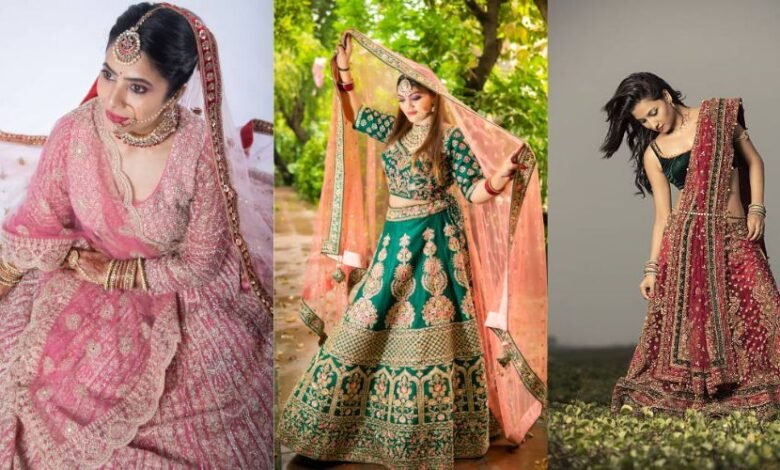
Bridal fashion in the South Asian world has always been a symbol of heritage, identity, celebration, and personal emotion. Among the countless brands that exist today, Diadem has earned a unique place in the bridal wear industry through its craftsmanship, detailed artistic approach, and a deep understanding of what a bride truly seeks. The term “Diadem – Bridal Lehe” has become a popular search expression, referring to Diadem’s extensive collection of bridal lehengas known for their elegance, richness, and fine detailing.
This article explores everything about Diadem’s bridal lehenga offerings — from their design philosophy to fabrics, embellishments, colour curation, and what makes them a notable choice for brides preparing for their big day. Whether someone is planning a grand traditional wedding or a minimal pastel-themed ceremony, Diadem’s collection offers something for every bridal personality.
Below is a comprehensive, detailed breakdown of what makes Diadem – Bridal Lehe special, why it is trending, and how brides can choose the perfect bridal lehenga from the brand.
Introduction to Diadem’s Bridal Legacy
Diadem is a fashion house known for delivering variety, quality, and the timelessness of Indian ethnic wear. Over time, it has grown into a go-to destination for brides seeking premium craftsmanship and modern aesthetics blended seamlessly with tradition.
A “diadem” is literally a crown — and that symbolism runs through everything the brand creates. A bride deserves to feel royal, empowered, and radiant on her wedding day, and the brand’s philosophy revolves around designing outfits that elevate the bridal experience.
Why Diadem Stands Out in Bridal Wear
- It offers a mix of traditional and contemporary bridal styles.
- Its silhouettes focus on comfort without compromising on glamour.
- Fabrics and embroidery techniques honor age-old Indian heritage.
- The brand keeps up with evolving bridal fashion trends.
- It caters to brides from diverse cultural backgrounds.
Whether a bride wants an old-world Rajputana charm, a Mughal-inspired look, a Punjabi phulkari-infused ensemble, or a modern Bollywood-style lehenga, Diadem’s range meets all expectations.
Evolution of Diadem – Bridal Lehe Collection
Bridal fashion evolves every season — but Diadem has strategically maintained its signature touch while embracing new styles. The brand started with traditional silk lehengas and gradually expanded into modern pastel aesthetics, luxury couture pieces, Indo-western fusions, and cinematic bridal looks.
Traditional Inspirations
Early Diadem lehengas heavily reflected:
- Handwoven silk
- Zari craftsmanship
- Temple motifs
- Rich reds and maroons
- Classic symmetrical embroidery patterns
These styles were created keeping in mind traditional Indian brides who prefer cultural symbolism through clothes.
Modern Transformations
As bridal fashion opened up to playful tones and lightweight fabrics, Diadem introduced:
- Pastel pinks, peaches, and ivory tones
- Organza and net fabrics
- Minimal embroidery
- Contemporary silhouettes
- Jacket lehengas and belt lehengas
This shift made Diadem accessible to brides wanting lighter, breathable, and more youthful styles — particularly for destination weddings or outdoor ceremonies.
Design Philosophy Behind Diadem Bridal Lehengas
Every bridal lehenga from Diadem follows three core design principles:
Craftsmanship
The brand blends machine and handwork to achieve durability, precision, and a couture feel. Each piece often undergoes multiple stages of embroidery, layering, and finishing.
Comfort
Modern brides value comfort as much as aesthetics. Diadem ensures breathable fabrics, well-structured can-cans, and fitting adjustments that allow brides to move freely without losing shape.
Expression of Identity
A bridal outfit should reflect who the bride is — whether she is bold, soft-spoken, adventurous, or traditional. Diadem creates collections that cater to different personalities rather than a single bridal template.
Types of Bridal Lehengas Offered by Diadem
Diadem’s bridal lehenga range includes several style categories. Each carries its own charm, story, and suitability depending on the event, theme, and personal taste.
Heavy Traditional Bridal Lehengas
These are perfect for brides who want a regal, conventional wedding look.
Characteristics include:
- Raw silk or velvet fabric
- Heavy zari, dori, and hand-embroidered motifs
- Rich colour palettes like red, maroon, wine, and burgundy
- Full flare skirts with grand can-can layers
These lehengas suit traditional North Indian, South Indian, or Pakistani wedding ceremonies where grandeur is central to the celebration.
Pastel Bridal Lehengas
Pastel lehengas have become a massive trend due to their modern, soft, and dreamy aesthetic.
Diadem’s pastel collection includes:
- Blush pinks, peaches, ivory, lilac, mint, and champagne tones
- Sequin, glass bead, and pearl work
- Net, organza, and georgette fabrics
- Lightweight designs ideal for day weddings
These lehengas are favourites for reception ceremonies, sangeet, and even as the main bridal look for brides seeking subtle elegance.
Indo-Western Bridal Lehengas
This category blends traditional design with contemporary silhouettes.
Key elements include:
- Jacket-style lehengas
- Cape dupattas
- Crop tops with structured or asymmetrical skirts
- Metallic fabrics and minimal embroidery
Indo-western styles work beautifully for sangeet nights, cocktail parties, or for unconventional brides wanting something fresh and trendy.
Banarasi and Brocade Bridal Lehengas
Banarasi lehengas represent timeless Indian craftsmanship.
Diadem’s Banarasi collection uses:
- Pure silk weaves
- Zari floral and geometric patterns
- Muted gold detailing
- Traditional colour palettes such as sage green, mustard, red, and rani pink
These lehengas make excellent choices for heritage weddings or brides who appreciate Indian handloom art.
Minimalistic Bridal Lehengas
Minimal bridal aesthetics speak to brides who prefer sophistication over heaviness.
Expect:
- Clean lines
- Soft embroidery
- Monotone colour schemes
- Lightweight drapes
These lehengas are ideal for intimate weddings, modern venues, or brides seeking simple yet luxurious looks.
Fabrics Used in Diadem – Bridal Lehe
Fabric selection impacts the lehenga’s comfort, appearance, and movement. Diadem is known for choosing fabrics that offer both beauty and practicality.
Raw Silk
Strong, rich, and perfect for heavy embroidery. Gives the classic royal bridal vibe.
Velvet
Adds depth and luxury. Ideal for winter weddings or evening ceremonies.
Net & Soft Net
Provides volume without weight. Works well for pastel and shimmering designs.
Organza
Light, flowy, and modern. Great for soft bridal looks.
Banarasi Silk
Traditional Indian fabric with woven zari details. Adds heritage value.
Georgette
Flexible and comfortable, perfect for Indo-western or lighter looks.
Each fabric type plays a role in shaping the silhouette and overall vibe of the lehenga.
Embroidery and Artistic Techniques
Diadem’s embroidery work is one of its main highlights. The brand incorporates both traditional and modern techniques:
Zardozi Work
Metallic thread embroidery that adds richness and depth.
Sequin Work
Glossy, glamorous, and ideal for nighttime functions.
Mirror Work
Vibrant and festive, often used in mehndi or sangeet outfits.
Resham Thread Embroidery
Soft and intricate, suitable for pastel lehengas.
Bead and Pearl Work
Adds a perfect bridal glow without overpowering the outfit.
The mix of these techniques creates a balanced design that appeals to diverse bridal tastes.
Colour Palettes in Diadem Bridal Lehengas
Colour plays a crucial role in defining the bridal aesthetic. Diadem offers a wide selection of hues:
Traditional Colours
- Deep red
- Maroon
- Wine
- Burgundy
- Gold
Modern Pastels
- Blush pink
- Peach
- Ivory
- Champagne
- Lilac
- Mint green
Statement Colours
- Emerald green
- Navy blue
- Rust orange
- Violet
- Mustard yellow
Whether a bride chooses a symbolic colour like red or a trend-forward pastel, Diadem ensures the colour enhances the overall grandeur.
Choosing the Perfect Diadem Bridal Lehe for Your Wedding
Selecting the ideal bridal lehenga involves multiple considerations. Below are some helpful guidelines:
Understand Your Wedding Theme
For grand traditional weddings, heavy silk or velvet lehengas are ideal.
For soft day weddings, pastels and organza work best.
Consider Your Body Type
- A-line lehengas flatter most body types.
- Flared skirts add volume for slimmer frames.
- Straight-cut styles work for tall or rectangular figures.
Comfort Matters
A wedding day is long — comfort is essential. Light fabrics or breathable linings will make a huge difference.
Choose Colours That Complement Your Tone
Warm tones suit red, orange, green.
Cool tones suit pinks, lilacs, ivory.
Final Fittings
Always allow time for last-minute adjustments to ensure a flawless bridal look.
Why Diadem is a Popular Choice Among Modern Brides
Diadem’s growing popularity is due to:
- Its blend of tradition and modernity
- A wide variety of styles and budgets
- High-quality fabric and craftsmanship
- Custom fitting support
- Trending designs that resonate with younger brides
Brides today seek individuality — and Diadem offers enough range to match unique tastes.
Frequently Asked Questions (FAQs)
What is special about Diadem – Bridal Lehe?
The collection combines traditional craftsmanship with modern aesthetics, offering a variety of fabrics, colours, and styles that cater to diverse bridal preferences.
Are Diadem bridal lehengas available in different budgets?
Yes, Diadem offers both high-end couture pieces and more affordable options, making it accessible to a wide range of brides.
What fabrics are most commonly used in Diadem bridal lehengas?
Raw silk, velvet, Banarasi silk, net, organza, and georgette are some of the most frequently used fabrics.
Are there pastel-coloured bridal lehengas in the Diadem collection?
Absolutely. Pastel bridal lehengas are one of the brand’s most popular segments, featuring soft tones with delicate embroidery.
What occasions are Diadem bridal lehengas suitable for?
They are ideal for weddings, receptions, sangeet, mehndi, engagement ceremonies, and destination weddings.