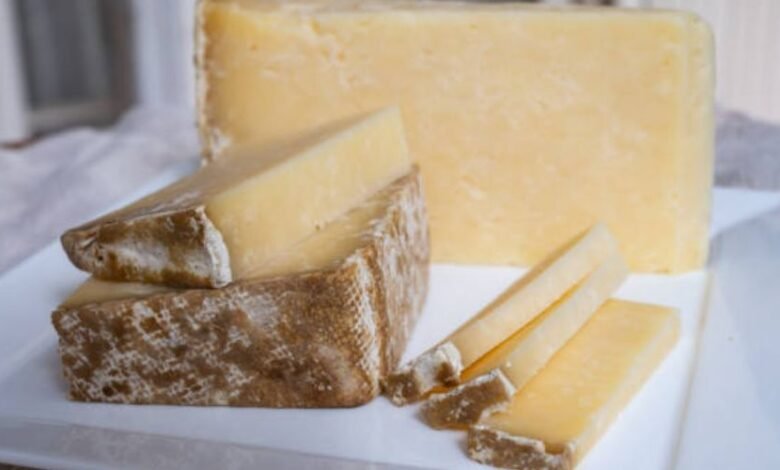
“Grouse cheese” is one of those rare culinary terms that catch sudden attention—mysterious, intriguing, and oddly whimsical. Despite its rising popularity in online searches, the concept of grouse cheese exists in a strange grey area: somewhere between culinary folklore, rustic imagination, and artisan-cheese storytelling. Some argue it is a niche cheese, crafted in remote dairy regions with earthy, natural profiles, while others insist the term is more myth than reality—a fictional or misinterpreted cheese with no official recognition.
Yet the fascination persists.
This article explores the idea of grouse cheese in depth: what it is believed to be, how such a cheese could be made, why its flavour profile captures people’s curiosity, and how the term slowly carved out a small cultural presence. Even if evidence for a formally recognized cheese by this exact name remains thin, the concept invites a deeper look at how cheeses originate, evolve, and sometimes enter the culinary world through story rather than certification.
Understanding “Grouse Cheese”: A Name with Folk Appeal
The phrase itself suggests something rooted in wilderness. The word grouse refers to a wild game bird that inhabits forests and highlands, commonly associated with rugged landscapes. In culinary culture, the word often invokes images of rustic cooking, earthy flavours, and traditional European hunting cuisine.
Why the Name Makes Sense Culturally
The idea of pairing strong, gamey meats with equally bold cheeses is not new. In many regions—especially in Scotland, Ireland, France, and parts of North America—aged, nutty, and rind-forward cheeses are used to complement dishes centered around wild birds. Thus, a cheese inspired by the natural habitats of the grouse or the culinary tradition surrounding it feels perfectly logical.
The Confusion Around Its Authenticity
While numerous cheeses are historically documented through guild records, appellation systems, or dairy collectives, “grouse cheese” has no official registration. It does not appear in major cheese encyclopedias, protected designation lists, or long-standing dairy archives. Some modern food blogs describe it vividly, while other writers dismiss it as a fictional or exaggerated product created for storytelling or internet search trends.
So, what makes the concept continue to thrive? Likely the charm of its name, and the imagination it ignites.
Imagined or Real? The Debate Surrounding Grouse Cheese
Food folklore often produces mythical dishes—some born from miscommunication, others from experimentation that never became mainstream. Grouse cheese seems to fall into this category.
The Argument for Fiction
Those who believe grouse cheese is fictional point to several factors:
- No documented producers consistently use the name
- No cheese with this name appears in formal dairy catalogs
- Descriptions across sources are inconsistent
The absence of standardized production methods or regional attribution further complicates its legitimacy.
The Argument for Possibility
Others argue that the cheese could exist in small, hyper-local batches. Many artisanal cheeses are produced regionally without mass distribution. Hundreds of farmstead cheeses never make it into global markets but remain beloved at the local level.
Small-batch dairy traditions often evolve quietly, shared among communities, with names inspired by local geography, wildlife, or family heritage. The term “grouse cheese” fits this naming tradition naturally.
The Supposed Character of Grouse Cheese
If one gathers descriptions from various discussions, a consistent flavour personality begins to emerge, even if the cheese itself remains elusive.
The Flavor Profile
Grouse cheese is typically described as:
- Earthy and nutty
- Slightly gamey
- Rich, with a firm or semi-hard texture
- Carrying natural, aromatic tones reminiscent of woodland environments
These flavour notes are common in aged cheeses made from grass-fed milk or raw milk. The stronger, gamier undertones, if they exist, may be attributed to natural aging conditions or specific bacterial cultures that deepen flavour complexity.
The Texture and Appearance
Descriptions often imagine grouse cheese with:
- A natural, rustic rind
- Ivory or pale-gold interior
- A dense texture that softens slowly at room temperature
These characteristics align closely with alpine-style cheeses, mountain cheeses, and old-world farmstead wheels.
Suggested Milk Sources
Though disputed, accounts suggest it may be made from:
- Cow’s milk
- Goat’s milk
- Sheep’s milk
Each would create a slightly different flavour outcome. Goat’s milk brings tanginess, sheep’s milk depth and sweetness, and cow’s milk a subtle, buttery base.
How Grouse Cheese Would Be Made: A Look at Traditional Cheesemaking
Even if the cheese does not exist formally, imagining its production is useful in understanding its supposed style.
Milk Selection
High-quality, free-range pasture milk is essential. In mountainous or forested areas, animals graze on herbs, shrubs, and wild grasses that infuse the milk with naturally complex flavours—often leading to earthy, aromatic cheeses.
Curdling and Cutting
Traditional cheesemaking would begin with adding cultures and rennet to warm milk, allowing it to form curds. Once firm enough, the curd is cut into smaller pieces to release whey. The size of the curd cut influences texture: smaller curds generally produce firmer cheeses.
Molding and Pressing
After draining, curds are packed into molds and pressed to remove moisture. A firmer cheese like grouse cheese would require thorough pressing—possibly for several hours under increasing weight.
Salting
Salt could be applied either by hand-rubbing or through brine soaking. Salt helps develop the rind, preserves the cheese, and shapes the flavour.
Aging
The cheese would then age in cellars or natural caves, potentially from two months to more than a year. Aging deepens texture, increases complexity, and encourages the growth of natural rind molds and bacteria that shape the cheese’s signature profile.
This process closely mirrors that of alpine cheeses like Tomme, Gruyère, or farmstead cheeses rooted in rural European traditions.
Culinary Uses: What Grouse Cheese Would Pair Well With
A rustic cheese with an earthy, bold profile naturally finds its place in dishes that embrace rich, hearty ingredients.
With Game Dishes
Because the name invokes the grouse bird, the cheese is often associated with:
- Roasted wild pheasant
- Grouse stew
- Smoked bird dishes
- Rustic charcuterie boards featuring cured meats
Strong cheeses pair beautifully with game because they stand up to intense flavours.
Everyday Uses
Even outside game-based cuisine, this cheese could fit into:
- Artisan sandwiches
- Grilled cheese with caramelized onions
- Warm winter soups
- Hearty pastas
- Potato or root-vegetable dishes
Its depth makes it a standout ingredient in both rustic and modern cooking.
Nutritional Characteristics (As Commonly Described)
While no official nutritional chart exists for this cheese, estimates suggest a profile similar to other semi-hard cheeses.
A typical description includes:
- High protein content
- Moderate to high natural fats
- Rich in calcium, phosphorus, and essential minerals
- Contains beneficial bacteria when made from raw milk
These traits align with the nutritional design of aged cheeses that support bone health, muscle function, and digestive balance.
Why the Internet Became Obsessed with Grouse Cheese
It’s rare for a questionable or mysterious cheese name to gain widespread curiosity, yet “grouse cheese” has accomplished exactly that.
The Power of an Intriguing Idea
The name itself is evocative: it feels ancient, rugged, and deeply rooted in nature. Many people love discovering obscure foods, so the concept instantly becomes a conversation starter.
The Growth of Niche Food Trends
Online search culture thrives on novelty. When people stumble across a mysterious term, curiosity leads to collective exploration, snowballing into a trend regardless of factual accuracy.
The Romance of Artisanal Food
Small-batch cheeses feel exclusive. A rare cheese—whether real or not—taps into the desire for culinary discovery, local authenticity, and heritage food traditions.
The Cultural Significance of Imagined Foods
Even if grouse cheese is fictional or poorly documented, exploring its concept highlights an interesting truth: food traditions and myths often blend.
Many famous dishes began as stories, misheard names, or imaginative interpretations. Sometimes, the narrative itself becomes powerful enough to inspire actual culinary creations over time.
Grouse cheese, whether myth or micro-artisan product, stands as an example of how cultures create, evolve, and romanticize food. It reminds us that cuisine isn’t only about consumption—it’s also about storytelling.
Frequently Asked Questions About Grouse Cheese
Is grouse cheese a real, officially recognized cheese?
There is no official registry or widely accepted documentation confirming grouse cheese as a recognized cheese. It appears to be either hyper-local or largely conceptual, with descriptions varying widely.
What does grouse cheese supposedly taste like?
Grouse cheese is usually described as earthy, nutty, slightly gamey, and firm in texture—similar to traditional rustic, aged cheeses made from pasture-rich milk.
What milk is used to make grouse cheese?
Accounts differ, but it is often imagined as being made from cow’s, goat’s, or sheep’s milk, depending on regional influence. The exact milk source is not formally standardized.
Why is grouse cheese associated with game birds?
The word “grouse” refers to a forest-dwelling bird commonly used in hearty, traditional dishes. The cheese’s earthy profile is believed to complement the flavours of game cuisine, creating a thematic association.
Can you buy grouse cheese anywhere?
There is no widely known producer offering cheese under this specific name. It may not exist commercially, but cheeses with similar flavour profiles can be found among farmstead and alpine-style artisanal cheeses.

