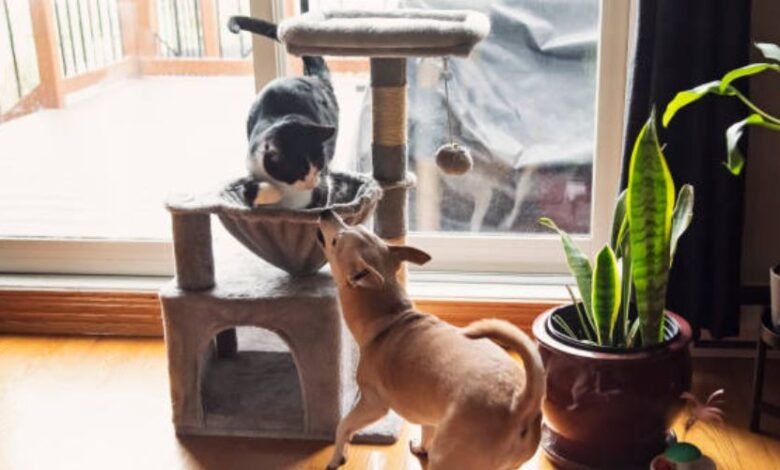
Cats are naturally curious, agile, and territorial animals. In the wild, they climb trees to survey their surroundings, sharpen their claws, hide from danger, and rest in safe elevated spots. Indoor cats retain these instincts, and providing them with an appropriate outlet is crucial for their physical and psychological well-being. This is where cat trees come in—one of the most popular and effective tools for enriching a cat’s environment.
A cat tree is much more than a decorative pet accessory. It is an investment in your cat’s health, comfort, and happiness. This comprehensive guide explores everything you need to know about cat trees, from their purpose and types to factors to consider when choosing one, placement strategies, maintenance, and more.
Understanding Cat Trees
What Is a Cat Tree?
A cat tree is a vertical multi-level structure designed specifically for cats to climb, perch, scratch, hide, and relax on. These structures often feature platforms, cubbies, sisal-wrapped posts, hammocks, ramps, tunnels, toys, or lounging beds. While the design varies, the purpose remains consistent—to provide cats with vertical territory and an enriching environment.
Why Cat Trees Are Essential
Cats have several instinctual behaviors that are often misunderstood. A cat tree helps satisfy many of these needs, including:
• Climbing Instincts
Cats enjoy being in high places because it gives them safety and control. A cat tree creates an elevated outlook where they can observe the household without feeling threatened.
• Scratching Needs
Scratching is essential for cats. It sharpens their claws, stretches their muscles, and marks territory. A cat tree typically includes scratching posts wrapped in sisal rope or similar material.
• Territorial Ownership
Cats use vertical space to establish and defend territory. A multi-cat household benefits greatly from cat trees, as the extra vertical space reduces conflicts.
• Exercise and Mental Stimulation
Indoor cats often lack sufficient physical activity. Climbing and jumping on a cat tree offer much-needed exercise and keep their minds engaged.
• Stress Relief
Cats feel safer when they have a place to retreat. Enclosed cubbies or high platforms provide stress-relieving hideaways.
Types of Cat Trees
Cat trees come in a wide range of styles and configurations. Understanding the different types helps in choosing the right one for your cat’s needs and your home space.
Traditional Multi-Level Cat Trees
These are the most common cat trees, featuring several platforms, scratching posts, and optional hideouts. They are ideal for most cats, especially those who enjoy climbing and observing.
Tower-Style Cat Trees
Tall and narrow, these structures are perfect for small apartments or limited floor space. They offer height without occupying too much room, appealing to cats who enjoy climbing and perching.
Condo-Style Cat Trees
These models focus on comfort and privacy, featuring multiple cubbies or enclosed resting areas. They cater particularly well to shy or anxious cats who prefer hiding spots.
Activity Cat Trees
These trees include interactive toys, dangling balls, tunnels, hammocks, and rope bridges. They are ideal for playful, high-energy cats who require ample stimulation.
Wall-Mounted Cat Trees
Instead of standing on the floor, these cat trees attach to the wall. They save space and provide an exciting vertical route, perfect for agile cats.
Luxury and Modern Cat Trees
Made with premium materials like solid wood or high-quality fabrics, these trees blend seamlessly with home décor. They are often more expensive but extremely durable and visually appealing.
Why Cats Love Cat Trees
Understanding a cat’s perspective helps explain why cat trees are such an essential part of their indoor environment.
Height Equals Safety
In nature, height allows cats to avoid predators. Indoor cats still instinctively seek elevated vantage points to feel secure.
Ownership of Vertical Territory
Cats in multi-pet homes often struggle for space. A tall cat tree provides a personal area where they feel in control.
Mental and Physical Fulfillment
Jumping, climbing, stretching, and playing mimic natural behaviors. Without an outlet, cats may become anxious, bored, or destructive.
A Sense of Routine and Comfort
Cats love routine. A cat tree gives them a dependable place for resting, playing, and observing their environment.
How to Choose the Right Cat Tree
Selecting the right cat tree requires thoughtful consideration. Not every cat or household needs the same type of tree. Below are the most important factors to evaluate.
Stability and Safety
This is the most crucial factor. A cat tree must withstand jumping, running, and climbing without wobbling or tipping over. Look for:
- A wide and reinforced base
- Thick, sturdy posts
- Solid construction materials
- Weight capacity appropriate for your cat(s)
For large breeds like Maine Coons, stability is non-negotiable.
Size and Height
The height depends on your cat’s age, mobility, and personality.
• For active, young cats:
Tall trees with multiple levels provide excitement and exercise.
• For senior cats:
Lower trees or ones with ramps are easier to access.
• For multi-cat households:
Choose a larger tree with enough platforms to avoid territorial disputes.
Materials
The quality of materials determines durability and safety.
Ideal materials include:
- Solid wood or high-quality engineered wood for the frame
- Sisal rope for scratching posts
- Carpet or faux fur for comfortable resting surfaces
Avoid tree models made of thin, low-quality particle board that may break easily.
Features
Different cats enjoy different features.
Consider features such as:
- Platforms
- Tunnels
- Ramps
- Cubby houses
- Hammocks
- Rope bridges
- Scratching posts
- Perches or beds
Choose features based on your cat’s preferences.
Space and Home Layout
Measure your available space before buying. Some cat trees are wide, some are tall, while others fit neatly into corners. If you live in a small apartment, a vertical or wall-mounted design is more suitable.
Price vs. Durability
Expensive cat trees often provide better durability, especially if they use solid wood. Cheaper ones may work for kittens or lightweight cats but may wear out faster. Investing in a quality tree saves money long-term.
Where to Place a Cat Tree
The placement of a cat tree dramatically affects how much your cat will use it.
Near a Window
Cats enjoy watching birds, people, and outside activity. A window-side spot turns the cat tree into a natural observation platform.
In a Busy Area of the Home
Cats like being near their humans. Placing the tree in the living room, bedroom, or any active area encourages use.
Away from Loud or Stressful Spots
Avoid placing the tree next to loud appliances or high-traffic pathways that may frighten the cat.
Multi-Tree Options
In large homes or multi-cat environments, having more than one cat tree can help reduce territorial conflicts.
Maintenance and Cleaning
Maintaining a cat tree ensures longevity, hygiene, and continuous enjoyment for your cat.
Regular Vacuuming
Cat trees attract hair, dust, and dander. Vacuum weekly to keep them clean.
Washing or Replacing Removable Cushions
If the tree has removable pads or covers, wash them regularly. Hygiene is especially important for long-haired or shedding breeds.
Tighten Screws and Bolts
Over time, jumping and climbing can loosen parts. Tightening them prevents wobbling and keeps the structure safe.
Refresh Scratching Posts
Sisal rope can fray after heavy use. Some trees allow replacement posts, while others may require rewrapping.
Benefits of Cat Trees for Cat Owners
Providing a cat tree benefits not only the cat but also the owner.
Protects Furniture
Cats may scratch sofas, carpets, or wooden furniture. A cat tree offers an appropriate, attractive alternative.
Reduces Behavioral Issues
Many behavioral problems—such as aggression, stress, and nocturnal restlessness—can improve when a cat has proper vertical territory.
Enhances Indoor Lifestyle
Indoor cats live healthier lives when their environment mimics natural climbing and hiding opportunities.
Do-It-Yourself (DIY) Cat Trees
Many owners enjoy building their own cat trees using wood, carpet, sisal rope, and basic tools. DIY options allow customization and can be more budget-friendly. Designs range from simple scratching posts to elaborate climbing towers.
Common Mistakes to Avoid
• Choosing a tree that is too small
Cats outgrow small trees quickly, especially active breeds.
• Ignoring stability
A wobbly structure is dangerous and will discourage use.
• Not considering your cat’s personality
A shy, anxious cat may need more cubbies; a playful cat may need toys and climbing paths.
• Choosing aesthetic over function
While attractive designs are nice, comfort and safety should come first.
Conclusion
Cat trees are a vital addition to any home with cats. They provide structure, stimulation, comfort, and an outlet for natural behavior. Whether you have a single cat or several, a well-chosen cat tree can greatly enrich their life and reduce destructive behaviors. By considering factors like stability, size, materials, and placement, you can choose a cat tree that remains a valuable part of your cat’s daily routine for years.
Frequently Asked Questions (FAQs)
Do all cats need a cat tree?
While not mandatory, cat trees significantly benefit most cats by offering exercise, scratching surfaces, and safe elevated spaces. Even calm or older cats appreciate having a comfortable perch.
Are cat trees safe for kittens?
Yes, cat trees are safe for kittens as long as they are sturdy and not overly tall. Avoid very high platforms for young kittens until their coordination improves.
How tall should a cat tree be?
The ideal height depends on your space and your cat’s mobility. For active cats, taller trees offer more excitement. Senior cats may prefer lower or mid-height trees.
How long does a cat tree last?
A high-quality cat tree can last several years. Cheaper models may wear out within months depending on usage. Regular maintenance can extend lifespan.
won’t my cat use the cat tree?
Possible reasons include poor placement, instability, unappealing features, or unfamiliar scent. Try relocating the tree, adding treats or toys, or choosing a model that better suits your cat’s preferences.