The political identity of Benjamin Netanyahu—one of Israel’s most recognized and influential leaders—did not materialize overnight. His early years, stretching across two continents and shaped by historical currents, ideological tension, war, loss, and intellectual discipline, played a central role in forming the worldview he would later bring into the prime minister’s office. To understand Netanyahu the political figure, one must first understand Netanyahu the young man: the child of scholars, the soldier who served in one of Israel’s most elite units, the student navigating American suburbia, and the young intellectual developing his voice long before entering politics.
This article dives deeply into the formative decades of Benjamin Netanyahu’s life—his childhood, education, early military experience, ideological influences, and the events that molded both his character and worldview.
Biography
| Name | Benjamin Netanyahu |
|---|---|
| Born | 21 October 1949, Tel Aviv, Israel |
| Parents | Benzion Netanyahu (father), Tzila Segal Netanyahu (mother) |
| Siblings | Yonatan “Yoni” Netanyahu, Iddo Netanyahu |
| Childhood Residences | Jerusalem, Tel Aviv, Cheltenham Township (Pennsylvania, USA) |
| Education | Henrietta Szold Elementary (Israel), Cheltenham High School (USA), MIT (BS & MS), Harvard studies |
| Military Service | Sayeret Matkal, 1967–1973 |
| Early Career | Boston Consulting Group, Anti-Terrorism Institute founder, TV appearances as “Ben Nitay” |
Early Life in Israel: Foundations of Identity
Benjamin Netanyahu was born in 1949 in Tel Aviv, in the young and rapidly developing State of Israel. His family background played a central role in shaping the structure of his early identity.
His father, Benzion Netanyahu, was a renowned historian specializing in Jewish history, particularly the Golden Age of Jews in medieval Spain. His meticulous scholarly environment created a home filled with books, complex debates, and a deep awareness of Jewish historical struggles. His mother, Tzila, came from a pioneering family, adding another element of traditional Israeli resilience to the household.
Growing up in Jerusalem offered young Benjamin an environment steeped in national tension, cultural pride, and intellectual awareness. It was a setting where history felt remarkably close to everyday life, shaping the early impressions of a boy who would later become deeply engaged with national security and identity.
First Move to America: A Young Boy Between Worlds
In 1956, the Netanyahu family relocated to the United States for the first time. Benzion had accepted an academic position at Dropsie College in Philadelphia, prompting the family to settle in Cheltenham Township, Pennsylvania. This transatlantic shift exposed Benjamin—then a child—to an entirely different cultural landscape.
Cheltenham High School would become one of the pivotal environments in Netanyahu’s young life. While adapting to life in America, Benjamin began developing fluency in English and learning to navigate an environment much more relaxed and culturally different from the Israel he knew.
Although he integrated well, participating in debate clubs, chess, and soccer, the cultural differences were evident to him. Netanyahu—and even more so, his older brother, Yoni—felt that American youth culture sometimes leaned toward superficial pursuits compared to Israel’s more intense, purpose-driven society. These early transnational experiences helped Netanyahu develop a broader perspective, one later reflected in his diplomatic confidence and articulate English-language communication.
Return to Israel and Entry into Military Service
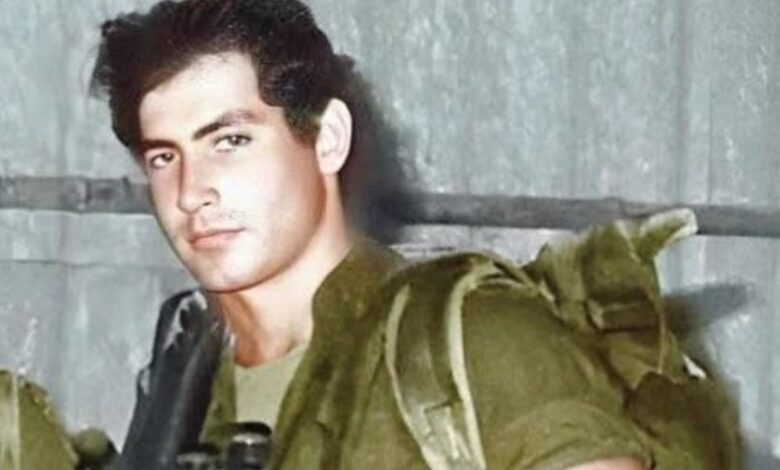
When Netanyahu turned 18, he returned to Israel to fulfill his mandatory military service. This decision was not merely a legal requirement but a defining personal commitment. Almost immediately, he was accepted into Sayeret Matkal, Israel’s famed elite special forces unit. This unit, known for counter-terrorism operations, rescue missions, and deep reconnaissance, is one of the most prestigious branches in the Israel Defense Forces.
Netanyahu’s service included dangerous operations, intense physical and mental training, and exposure to the direct realities of conflict. Here, he developed resilience, discipline, and a profound understanding of national security—an understanding that would become a cornerstone of his political philosophy.
His time in Sayeret Matkal also solidified his close relationship with his older brother, Yonatan, who served in the same unit and was widely admired for his leadership and bravery.
The Loss of Yoni: A Turning Point
Perhaps the most pivotal emotional shaping force in Benjamin Netanyahu’s early life was the tragic death of his beloved brother, Yonatan Netanyahu, in 1976 during Operation Entebbe. Yoni had led the rescue mission to free hostages from a hijacked Air France plane in Uganda. While the mission was successful and celebrated worldwide, Yoni was the only Israeli commando killed.
This loss was deeply personal for Benjamin. Beyond the trauma of losing a sibling, Yoni’s heroic status in Israeli society created an enduring national narrative that shaped the entire Netanyahu family. Benjamin would later describe this loss as one of the key emotional forces driving his commitment to security, anti-terror efforts, and national strength.
It is widely believed that the values Yoni embodied—courage, patriotism, moral clarity—became woven into Benjamin’s political message and sense of duty.
Academic Pursuits in America: The Intellectual Phase
After completing his military service, Netanyahu returned to the United States to pursue higher education. He enrolled at the Massachusetts Institute of Technology (MIT), an environment known for its academic rigor and innovation. Netanyahu completed both a Bachelor of Science and a Master of Science degree, focusing on architecture and business management.
He also engaged in political and strategic studies at Harvard University, broadening the academic foundation he would later draw upon in public service. During this phase, Netanyahu sharpened his analytical skills and deepened his understanding of Western political discourse.
Studying in the U.S. also allowed him to observe American society from a more mature perspective. His ability to articulate Israeli concerns in fluent, persuasive English emerged during these years, a skill that proved invaluable during his political rise.
The Birth of “Ben Nitay”: Early Public Appearances
While working in Boston—particularly during his time at the Boston Consulting Group—Netanyahu began appearing on American television under the name Ben Nitay, a shortened version of his family name that he believed would be easier for Americans to pronounce.
These early TV appearances were crucial in shaping his future public persona. Netanyahu spoke with confidence, clarity, and a strong sense of ideological purpose about Middle Eastern issues, terrorism, and Israeli security. These interviews demonstrated:
- His ability to persuade Western audiences
- His skill in framing complex issues in a relatable way
- His talent for public speaking
This visibility soon connected him with political, academic, and intellectual networks that would later support his entry into Israeli diplomacy and politics.
Early Career in Anti-Terror Research
Following his brother’s death, Netanyahu founded the Yonatan Netanyahu Anti-Terror Institute, named in Yoni’s honor. This think-tank-like organization focused on terrorism research and policy analysis—issues that deeply resonated with him personally and ideologically.
During this period:
- Netanyahu organized conferences on terrorism
- He collaborated with military experts, scholars, and politicians
- He refined many of the arguments he would later bring into his political career
This phase was critical in shaping Netanyahu’s security-focused worldview and helped elevate him to international visibility before he ever entered electoral politics.
Cultural Dual Identity: Israeli Roots, American Influence
One of the most unique aspects of Netanyahu’s youth is that it straddled two very different worlds: the intensity and cultural rootedness of Israel, and the openness and complexity of American society. This dual identity gave him:
- Bilingual fluency
- Cultural flexibility
- Diplomatic finesse
- An ability to speak to both domestic and foreign audiences
It also shaped his political persona: assertive and security-driven on one hand, polished and globally minded on the other.
This blend created what many describe as a “hybrid identity,” a defining trait in his leadership style.
Emerging Ideological Influences
Netanyahu’s ideological foundations during his youth stemmed from three main influences:
His father’s intellectual rigor
Growing up around a historian who emphasized Jewish vulnerability shaped Netanyahu’s belief in strong national security and defensible borders.
His military experience
Serving in an elite unit strengthened his conviction that Israel faces existential threats and must always remain vigilant.
His brother’s legacy
Yoni’s death intensified his personal commitment to fighting terrorism and shaped his emotional connection to national defense.
Together, these forces formed the ideological backbone that would define his political career.
Transition Toward Public Life
By the end of the 1970s, Netanyahu was not yet a politician, but his path was becoming clear. He had:
- Academic credentials
- Military experience
- Public speaking recognition
- Connections in both the U.S. and Israel
- A strong ideological foundation
These factors converged, preparing him for the diplomatic and political ascent that awaited him in the 1980s and 1990s.
His youth, therefore, should not be seen merely as a developmental stage but as a strategic runway for the leader he would eventually become.
FAQs About “Benjamin Netanyahu Young”
Where did Benjamin Netanyahu grow up?
He spent his early childhood in Israel (mostly Jerusalem), but also lived for several years in Pennsylvania, USA, giving him a blended cultural upbringing.
What was Netanyahu like as a student?
He was described as disciplined, courteous, intelligent, and active. Teachers noted his strong academic abilities and leadership traits at a young age.
What role did Netanyahu’s brother Yoni play in shaping his youth?
Yoni was both a role model and emotional anchor. His death in the Entebbe raid profoundly influenced Benjamin’s worldview and future political direction.
Why did Netanyahu use the name “Ben Nitay” in the U.S.?
He used it for convenience—believing it would be easier for American audiences to pronounce during his early TV appearances.
How did Netanyahu’s military service impact his political views later on?
His service in Sayeret Matkal exposed him to the realities of terrorism and conflict, reinforcing his belief in strong national security—an idea that shaped his political identity.